
Blog/News
THC Wax for Sleep: Does It Help?

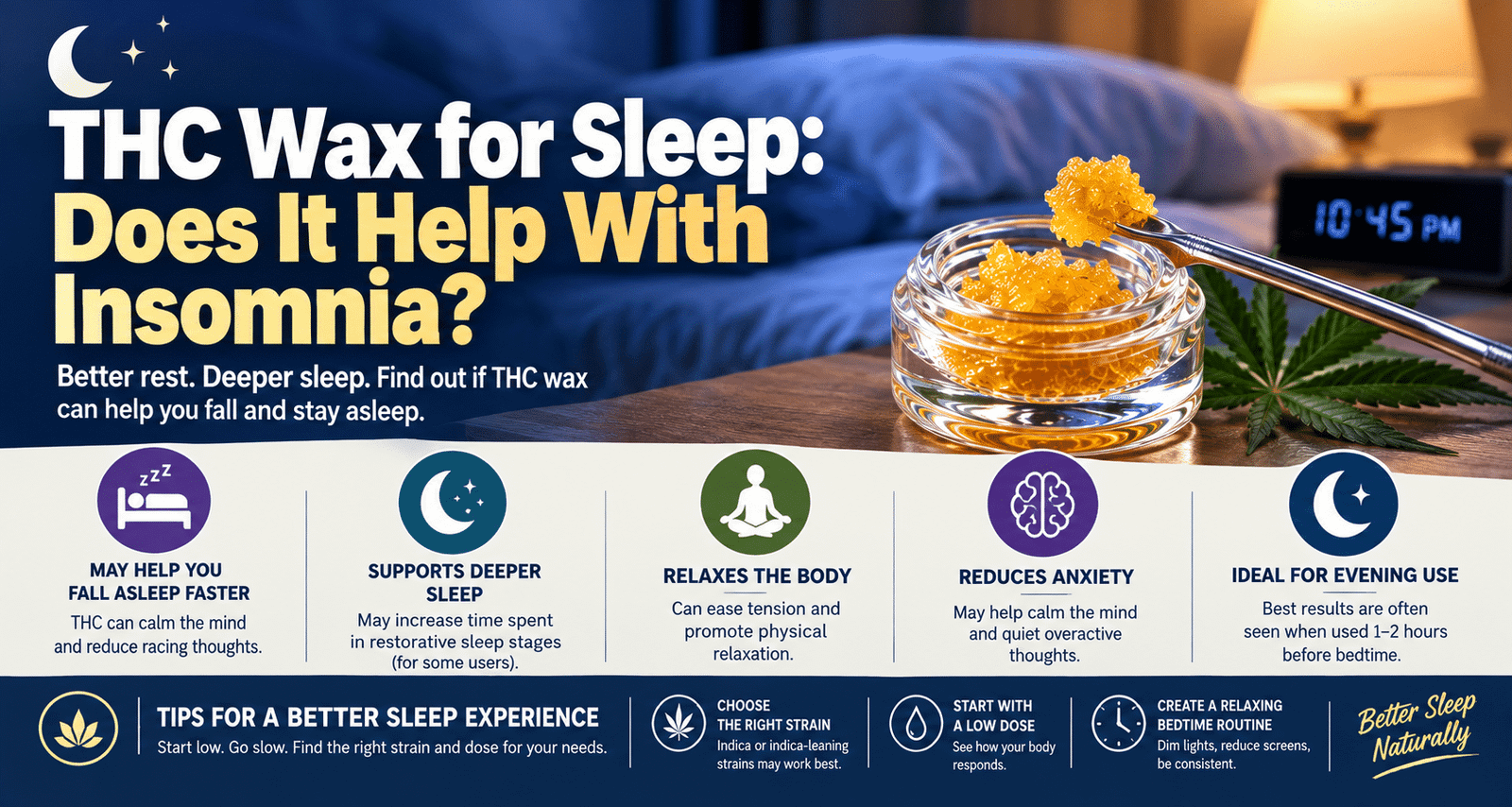
THC Wax for Sleep, does it help with insomnia? THC wax is a highly concentrated cannabis extract that some people use in the hope of falling asleep faster, relaxing at night, or reducing discomfort that interferes with rest. Because wax can contain much higher concentrations of tetrahydrocannabinol (THC) than traditional cannabis flower, its effects may be intense and unpredictable, particularly for people with limited experience using cannabis concentrates.
But does THC wax actually help you sleep?
The short answer is that THC wax may make some people feel relaxed or sleepy, but there is not enough reliable clinical evidence to establish it as a safe or effective treatment for insomnia. Feeling drowsy after using THC is not necessarily the same as getting restorative sleep throughout the night.
Research published in 2026 reinforces this uncertainty. A Cochrane systematic review of nine studies involving 537 adults found that medical cannabis may have little or no meaningful benefit for sleep quality, total sleep time, or daytime functioning compared with a placebo. The studies examined different medical cannabis products, not THC wax specifically, so their findings cannot establish exactly how wax affects sleep.
This guide explains how THC wax may affect sleep, what research says about its benefits, the risks of using concentrated THC at night, and other approaches worth considering if you regularly struggle to fall or stay asleep.
What Is THC Wax, and Why Do People Use It for Sleep?
THC wax is a cannabis concentrate produced by extracting cannabinoids and other compounds from cannabis plant material. Depending on the manufacturing process and formulation, the finished concentrate may have a soft, sticky, wax-like consistency.
Unlike ordinary cannabis flower, THC wax contains concentrated cannabinoids. This means a relatively small amount can deliver a substantial amount of THC, depending on its potency and the quantity consumed.
How Is THC Wax Different From Regular Weed?
The main difference is concentration.
Cannabis flower contains plant material alongside cannabinoids, terpenes, and other compounds. THC wax concentrates cannabinoids into a smaller volume of material, often producing a substantially stronger product.
This difference matters when discussing sleep because stronger effects do not automatically mean better sleep.
| Feature | THC wax | Cannabis flower |
|---|---|---|
| Form | Concentrated extract | Dried cannabis flower |
| THC concentration | Often high; varies by product | Varies by strain and product |
| Intensity | Can be intense and rapid when inhaled | Depends on potency and method of use |
| Sleep evidence | Limited direct research | Evidence remains mixed |
| Main concern | Strong effects and overconsumption | Intoxication and other cannabis-related risks |
Why Do People Use THC Wax Before Bed?
People may turn to THC wax for several reasons:
- Relaxation: They may feel less mentally or physically tense.
- Drowsiness: THC can cause sleepiness in some individuals.
- Discomfort management: Some people use cannabis while trying to manage pain that interferes with rest.
- Difficulty switching off: People experiencing racing thoughts may believe the intoxicating effects help them unwind.
- Existing cannabis habits: Regular users may associate nighttime cannabis use with their bedtime routine.
However, these are reasons people may use THC wax, not proof that it treats the underlying causes of poor sleep.
Does Higher THC Potency Mean Better Sleep?
No. THC potency is not a reliable measure of sleep effectiveness.
A stronger concentrate may produce more pronounced intoxication, but it may also increase the likelihood of anxiety, dizziness, confusion, a racing heart, and other unwanted effects. Some people may feel sleepy, while others may feel uncomfortable or mentally overstimulated.
The relationship between cannabis and sleep depends on several factors, including THC exposure, previous cannabis use, individual sensitivity, other health conditions, and the reason sleep is difficult.
Does THC Wax Actually Help You Fall Asleep?
THC wax may make some people feel sleepy, but current research does not establish it as a dependable insomnia treatment.
It is important to distinguish between falling asleep more quickly, staying asleep, and achieving good-quality sleep. These outcomes are related, but they are not interchangeable.
Can THC Wax Make You Feel Sleepy?
Yes, THC can cause drowsiness in some people. Its effects on the brain may alter alertness, perception, mood, and the experience of relaxation.
When THC wax is inhaled, effects can begin quickly. However, rapid onset does not guarantee a predictable response, and the intensity can make it difficult to judge how much THC has been consumed.
Some users report that cannabis helps them unwind before bed. Others experience anxiety, racing thoughts, or an uncomfortable level of intoxication that makes resting more difficult.
What Does Scientific Research Say About THC and Insomnia?
Research on cannabis and sleep remains limited and inconsistent.
A Cochrane review published in October 2026 examined nine studies involving 537 adults with insomnia. The researchers found that medical cannabis may have little or no meaningful effect on sleep quality, total sleep time, or daytime functioning compared with placebo. They also found that unwanted effects may be more common with medical cannabis. The certainty of the evidence was low or very low, meaning better studies could change the conclusions.
The review focused on medical cannabis products rather than THC wax, so it should not be interpreted as a direct clinical trial of concentrates.
A separate systematic review published in Sleep Medicine Reviews in December 2025 examined studies measuring sleep patterns objectively. It found no consistent evidence that cannabis reliably improves sleep duration, the time needed to fall asleep, or other measures of sleep architecture. It also found that stopping regular cannabis use was associated with sleep disturbances.
Together, these findings suggest that cannabis should not be assumed to be a reliable sleep aid.
Can THC Wax Help You Stay Asleep All Night?
There is insufficient direct evidence to say that THC wax helps people maintain uninterrupted sleep throughout the night.
Someone may feel that they fall asleep quickly but still experience nighttime awakenings, unrefreshing sleep, or daytime tiredness. Subjective feelings of sleepiness do not necessarily reveal what happens across the entire sleep cycle.
Sleep quality also depends on factors such as stress, sleep schedules, alcohol use, medication, pain, breathing problems, and other health conditions.
Does THC Affect REM Sleep?
REM sleep is a stage associated with vivid dreaming, memory processes, and other aspects of brain function.
Some older studies suggested that THC could reduce REM sleep, but more recent findings are mixed. The available research does not establish a consistent effect across different products, doses, and populations.
Cannabis withdrawal may also disrupt sleep and cause changes in dreaming. These effects are particularly relevant to people who use THC regularly and then stop.
For these reasons, THC wax should not be considered a proven way to improve sleep quality or regulate sleep stages.
What Are the Risks of Using THC Wax for Sleep?
THC wax deserves particular caution because concentrated products can deliver substantial amounts of THC. The effects may be difficult to predict, especially when potency is high or the user has little experience with concentrates.
Can THC Wax Cause Anxiety or Make Sleep Worse?
Yes. Although some people experience relaxation, THC can cause anxiety, panic, paranoia, confusion, or an increased heart rate.
These effects may be especially counterproductive for someone who already struggles with nighttime anxiety or racing thoughts.
A person who feels uncomfortable after using THC may find it harder to relax and fall asleep. Higher exposure does not guarantee greater relaxation.
Can You Build a Tolerance to THC Wax?
Regular THC use can lead to tolerance, meaning a person may experience less of the same effect over time.
Someone who initially feels sleepy after using cannabis may eventually notice that the effect changes. Increasing consumption to recreate the original experience can raise the risk of adverse effects and problematic use.
Tolerance is one reason that relying on THC as a nightly sleep aid may become difficult to manage.
Can Stopping THC Wax Cause Insomnia?
Yes. People who use cannabis regularly may experience sleep difficulties when they reduce or stop using it.
Possible symptoms include:
- Trouble falling asleep.
- Frequent nighttime waking.
- Vivid or unusually intense dreams.
- Irritability.
- Restlessness.
- Changes in appetite or mood.
These symptoms can make it feel as though cannabis is necessary for sleep, even when the sleep disruption is partly related to withdrawal.
Research on cannabis and sleep has repeatedly identified withdrawal-related sleep disturbances. Anyone concerned about dependence or persistent withdrawal symptoms should seek advice from a qualified healthcare professional.
Is THC Wax Safe to Use Every Night?
The safety of nightly THC wax use has not been established as a treatment for insomnia.
Frequent use may contribute to tolerance, dependence, withdrawal-related sleep problems, and ongoing cognitive effects. Cannabis intoxication can also impair attention, coordination, reaction time, and judgment.
Concentrates introduce additional concerns because a small amount may contain a substantial quantity of THC.
Other considerations include the risks of inhaling heated concentrates, the possibility of contaminants in unregulated products, and the potential for THC to interact with medications or worsen certain mental health conditions.
Who Should Be Especially Careful?
People should consult a healthcare professional before using THC products for sleep if they:
- Take prescription or over-the-counter medicines that cause sedation.
- Have a history of panic attacks or psychosis.
- Are pregnant or breastfeeding.
- Have significant heart or respiratory conditions.
- Have a history of cannabis use disorder.
- Experience persistent insomnia or unexplained daytime sleepiness.
THC can impair driving and other activities requiring alertness. Do not drive after using THC, and avoid combining it with alcohol or other sedating substances.
What Are Better Alternatives to THC Wax for Sleep?
If sleep problems are frequent, addressing their underlying cause is generally more useful than relying on a high-potency cannabis concentrate.
The best approach depends on whether the difficulty involves falling asleep, staying asleep, waking too early, or feeling tired despite spending enough time in bed.
Cognitive Behavioral Therapy for Insomnia (CBT-I)
Cognitive behavioral therapy for insomnia, or CBT-I, is a structured treatment that addresses the thoughts and behaviors that can maintain insomnia.
It may include:
- Establishing a consistent sleep and wake schedule.
- Adjusting behaviors that keep insomnia going.
- Reducing anxiety associated with not sleeping.
- Strengthening the association between bed and sleep.
- Learning relaxation and sleep-related coping techniques.
CBT-I is generally recommended as a first-line treatment for chronic insomnia. Unlike using an intoxicating substance to become sleepy, it aims to address the patterns that contribute to persistent sleep difficulties.
Improve Your Nighttime Sleep Routine
Simple behavioral changes can support better sleep, particularly when combined with treatment for ongoing insomnia.
Consider the following habits:
- Keep your bedtime and wake time consistent.
- Get natural daylight during the day.
- Exercise regularly, adjusting the timing if late workouts keep you alert.
- Reduce caffeine later in the day.
- Avoid alcohol as a sleep aid.
- Keep the bedroom dark, quiet, and comfortably cool.
- Set aside time to unwind before bed.
- Limit activities that make you feel more alert when you should be preparing for sleep.
These habits will not resolve every sleep disorder, but they can help create more consistent conditions for sleep.
Should You Try CBD or Other Cannabinoids Instead?
CBD, CBN, and other cannabinoids are sometimes marketed for sleep, but they should not automatically be assumed to work or be risk-free.
The available clinical evidence varies by compound, formulation, and condition. The October 2026 Cochrane review found that evidence for medical cannabis as an insomnia treatment remains uncertain overall.
CBD products may also vary in quality and composition, and some may contain THC despite their labeling. Cannabinoids can interact with medicines, so discussing them with a healthcare professional is sensible before use.
When Should You See a Doctor About Sleep Problems?
Consider seeking medical advice if you regularly struggle to fall asleep, frequently wake during the night, wake too early, or feel exhausted during the day despite spending sufficient time in bed.
Medical assessment is especially important when sleep problems persist for several weeks, interfere with daily functioning, or occur alongside loud snoring, gasping during sleep, severe anxiety, depression, or chronic pain.
Chronic insomnia is generally characterized by sleep difficulties occurring at least three nights per week for at least three months, together with daytime consequences.
A healthcare professional can help identify possible causes and recommend evidence-based treatments rather than relying on THC wax to manage symptoms.
THC Wax for Sleep: Frequently Asked Questions
Does THC wax make you sleepy?
THC wax can make some people feel sleepy because THC affects alertness and other brain functions. However, individual responses vary, and sleepiness does not guarantee better sleep quality.
Is THC wax good for insomnia?
There is insufficient evidence to recommend THC wax as a reliable treatment for insomnia. Research on medical cannabis more broadly has found uncertain benefits, and the findings cannot be directly applied to high-potency wax concentrates.
Does THC wax help you sleep through the night?
It has not been established that THC wax reliably prevents nighttime waking or improves total sleep time. More research specifically examining cannabis concentrates and sleep is needed.
Is THC wax stronger than weed flower?
THC wax is generally more concentrated than cannabis flower, although potency varies by product. This can make it easier to consume a large amount of THC quickly and increases the importance of understanding the product’s strength.
Can using THC wax every night cause dependence?
Regular THC use can lead to tolerance and cannabis use disorder in some people. People who stop after frequent use may also experience insomnia, vivid dreams, irritability, and other withdrawal symptoms.
Does THC wax reduce REM sleep?
Some studies have reported changes in REM sleep following THC exposure, but the findings are inconsistent. There is not enough evidence to conclude that THC wax reliably improves or worsens REM sleep in all users.
Is THC wax safer than sleeping pills?
There is no basis for concluding that THC wax is safer than prescribed insomnia medication. The products have different effects, risks, and evidence bases. A healthcare professional can help compare appropriate treatment options based on a person’s medical history.
What should you do if you cannot sleep without THC?
If you feel unable to sleep without THC, consider speaking with a healthcare professional about tolerance, withdrawal, and possible underlying insomnia. CBT-I and other evidence-based approaches may help address the problem without relying on continued intoxication.
Final Answer: Does THC Wax Help You Sleep?
THC wax may make some people feel sleepy, but it has not been established as a safe, reliable, or effective treatment for insomnia.
Its concentrated THC content can produce rapid and intense effects, but stronger intoxication does not necessarily translate into better-quality sleep. Research on medical cannabis has found uncertain benefits for insomnia, while regular use may contribute to tolerance, dependence, and sleep disturbances during withdrawal.
For people who regularly struggle with sleep, CBT-I, consistent sleep habits, and assessment for underlying conditions are more evidence-based starting points. Anyone considering cannabis for a medical reason should discuss its potential benefits, risks, and interactions with a qualified healthcare professional.
The key takeaway is simple: feeling sleepy after THC wax is not the same as treating insomnia.