
Blog/News
THC Wax for Pain Relief: Does It Work?

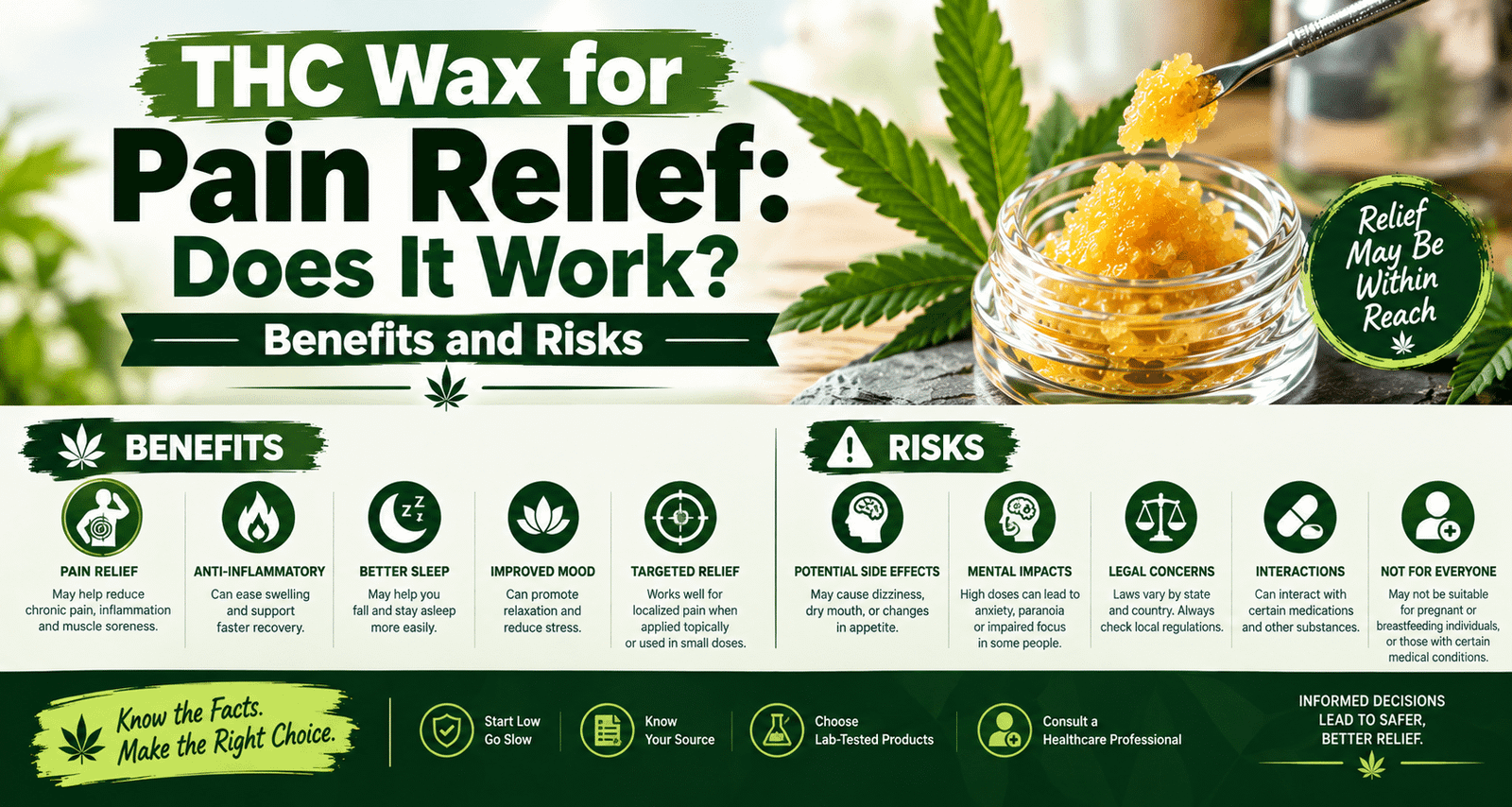
THC wax is a highly concentrated cannabis extract that contains tetrahydrocannabinol (THC), the compound responsible for many of cannabis’s intoxicating effects. Because THC may influence how the body processes pain signals, some people explore cannabis concentrates as a possible option for managing ongoing discomfort, nerve pain, or muscle soreness.
But does THC wax for pain relief actually work? The answer is more complicated than a simple yes or no. Research suggests that certain cannabis-based medicines may provide modest relief for some people with chronic pain, particularly neuropathic pain. However, the evidence does not establish that THC wax itself is a safe, effective treatment for every type of pain.
The difference matters because most clinical research examines specific cannabis-based medicines or cannabinoid formulations rather than high-potency wax concentrates. Findings from one type of cannabis product cannot automatically be applied to another.
This guide explains how THC wax may affect pain perception, what current research says, which risks to consider, and how to approach pain management responsibly.
What Is THC Wax, and How Might It Affect Pain?
THC wax is a cannabis concentrate produced by extracting cannabinoids and other compounds from cannabis material. Depending on how it is manufactured, it may have a soft, sticky, creamy, or crumbly texture. Its THC concentration is often substantially higher than that of ordinary cannabis flower.
How THC Interacts With the Body
THC interacts with the body’s endocannabinoid system, a network involved in regulating processes such as pain perception, mood, appetite, and memory.
The system includes cannabinoid receptors, particularly CB1 and CB2 receptors, which participate in different physiological processes. THC activates cannabinoid receptors and can influence how pain signals are processed, although its effects vary by dose, individual biology, and the underlying cause of pain.
THC may also change how a person experiences discomfort. For example, someone might notice that pain feels less intrusive or that they feel more relaxed despite ongoing physical symptoms. However, feeling less bothered by pain does not necessarily mean the underlying injury or condition has improved.
Why THC Wax Is Different From Cannabis Flower
The primary difference is concentration. THC wax delivers a concentrated form of cannabis, meaning a small quantity can contain a substantial amount of THC.
This creates several important considerations:
- Higher potency: Small amounts may produce pronounced effects.
- Faster effects when inhaled: Inhaled concentrates can act quickly, making their effects noticeable within minutes.
- Greater risk of unwanted reactions: High THC exposure may increase the likelihood of anxiety, dizziness, impaired coordination, or an uncomfortable intoxication.
- Limited product-specific evidence: Research on cannabis-based medicines does not prove that wax provides equivalent pain relief.
Concentration alone does not determine medical effectiveness. A more potent product is not necessarily a better pain treatment.
Does THC Wax Reduce Inflammation?
THC is being studied for its potential effects on pain pathways and inflammatory processes. However, evidence that a cannabis compound affects a biological process does not establish that a particular concentrate treats inflammatory conditions effectively in people.
THC wax should not be considered a proven anti-inflammatory treatment or a substitute for diagnosing the cause of persistent swelling, joint pain, or tissue damage.
Does THC Wax for Pain Relief Actually Work?
THC may help some people experience modest relief from certain types of chronic pain, but direct evidence for THC wax specifically remains limited.
The U.S. National Center for Complementary and Integrative Health reports that some cannabis-based medicines may provide small improvements in chronic pain, although adverse effects are also more common with some formulations. The Centers for Disease Control and Prevention similarly notes that evidence supporting cannabis for most types of acute and chronic pain remains limited.
Sources: NCCIH cannabis and cannabinoids overview and CDC cannabis and chronic pain.
What Scientific Research Says About Cannabis and Pain
Research has examined cannabinoids for several forms of chronic pain, including neuropathic pain associated with nerve injury.
A 2025 systematic review published in the medical literature found that certain cannabis-based products may provide small short-term improvements in pain, particularly for neuropathic conditions. The researchers also identified increased risks of common adverse effects, including dizziness and other nervous-system or psychiatric symptoms.
Importantly, these findings relate to the specific products and formulations included in the studies. They do not establish the effectiveness of THC wax for pain relief.
Source: PubMed systematic review of cannabis-based products for chronic pain.
Which Types of Pain Might Respond to THC?
Evidence varies by condition, and no type of pain is guaranteed to improve with THC.
Neuropathic Pain
Neuropathic pain develops when nerves are damaged or malfunctioning. People may describe burning, tingling, shooting sensations, or electric-like pain.
Some cannabinoid medicines have shown modest benefits in studies of chronic neuropathic pain. However, results vary, and the evidence cannot establish that concentrated THC wax provides the same benefit.
Muscle and Joint Pain
Muscle soreness and joint discomfort can result from exercise, inflammation, arthritis, injury, or other conditions.
THC may change the subjective experience of discomfort, but evidence is insufficient to conclude that THC wax reliably treats these problems or heals the underlying cause.
Chronic Pain
Chronic pain persists or recurs over an extended period and may involve several interacting factors, including nerve sensitivity, inflammation, sleep disruption, and psychological stress.
Some cannabis-based medicines may offer limited relief for selected patients. Whether a high-potency concentrate provides a worthwhile benefit relative to its risks remains uncertain.
Acute Pain and Injuries
Evidence for cannabis as a treatment for most forms of acute pain is limited. Severe, sudden, or unexplained pain should not be masked with a concentrate without evaluating its cause.
Why THC Wax May Not Work the Same Way for Everyone
Pain is highly individual. Two people with similar symptoms may respond differently to the same substance.
Factors that can influence the experience include the cause of the pain, THC sensitivity, previous cannabis exposure, other medications, and individual health conditions.
A person may experience temporary relaxation without meaningful pain relief. Another may experience anxiety or dizziness that outweighs any perceived benefit.
What Are the Potential Benefits and Risks of THC Wax for Pain?
THC wax may appeal to people seeking a fast-acting cannabis product, but its high concentration makes careful risk assessment especially important.
Potential Benefits
Rapidly Noticeable Effects
When inhaled, THC enters the bloodstream through the lungs and can produce effects within minutes. This rapid onset may make changes in pain perception easier to notice than with some oral cannabis products.
However, fast onset does not prove greater pain-relieving effectiveness or make inhalation safer.
Possible Changes in Pain Perception
THC may alter the way the brain processes pain and how strongly discomfort captures a person’s attention. Some users report feeling more relaxed or less distressed by symptoms.
These experiences are not universal and should not be confused with a proven treatment effect.
Potential Short-Term Relaxation
Some people experience relaxation or changes in their perception of muscle tension after THC exposure. Others experience agitation, anxiety, or increased discomfort.
There is insufficient evidence to recommend THC wax as a reliable treatment for muscle tension or pain-related sleep problems.
Potential Risks and Side Effects
Anxiety, Panic, and Paranoia
High-potency THC can cause anxiety, panic, paranoia, or confusion, particularly in people who are sensitive to THC or consume more than they can comfortably tolerate.
Dizziness and Impaired Coordination
THC may affect balance, reaction time, attention, and decision-making. These effects can increase the risk of falls, accidents, and other injuries.
Increased Heart Rate
THC can increase heart rate and may cause uncomfortable cardiovascular effects in some people. People with cardiovascular conditions should discuss potential cannabis-related risks with a healthcare professional.
Dependence and Withdrawal
Frequent cannabis use can lead to cannabis use disorder. Signs can include cravings, difficulty cutting down, continued use despite negative consequences, and withdrawal symptoms when stopping.
Respiratory Risks
Using THC wax through dabbing or another inhalation method exposes the respiratory system to heated substances. The health effects depend on the product, device, temperature, and exposure, and long-term risks are not fully understood.
Unregulated concentrates may also contain residual solvents, pesticides, or other contaminants.
Who Should Be Especially Cautious?
People who are pregnant or breastfeeding, adolescents, individuals with a history of psychosis, and people with certain cardiovascular or other medical conditions should seek qualified medical guidance and avoid assuming that THC is a suitable pain treatment.
THC can also interact with medications and other intoxicating substances. Combining it with alcohol or sedating medicines may increase impairment.
How Does THC Wax Compare With Other Pain-Management Options?
THC wax is only one product within a much broader range of pain-management approaches. Comparing the evidence, onset, risks, and practical limitations can help explain why a concentrated cannabis extract is not automatically the best choice.
THC Wax vs. Cannabis Flower
THC wax generally contains a more concentrated amount of THC than cannabis flower. Both can produce intoxicating effects when inhaled, but the amount of THC delivered depends on the product and method of use.
Flower may be less concentrated, but it is not risk-free. Neither form has been established as a universally effective treatment for pain.
THC Wax vs. CBD Products
CBD, or cannabidiol, is another cannabis compound that does not produce the same intoxicating effects as THC.
CBD products are frequently marketed for discomfort, but evidence supporting CBD alone as a treatment for most pain conditions remains insufficient. Product quality and composition also vary.
THC and CBD should not be treated as interchangeable, and a product containing both compounds is not automatically more effective.
THC Wax vs. Conventional Pain Treatments
Depending on the diagnosis, evidence-based approaches may include physical therapy, exercise, rehabilitation, topical medicines, nonprescription pain relievers, prescription treatments, or condition-specific therapies.
For some types of chronic pain, psychological approaches such as cognitive behavioral therapy can also help reduce pain-related distress and improve daily functioning.
The appropriate choice depends on the cause of the pain, other health conditions, and the benefits and risks of each treatment.
A Practical Comparison
| Option | Potential role | Important limitation |
|---|---|---|
| THC wax | May alter pain perception | Limited direct evidence; high potency and intoxication risks |
| Cannabis-based medicines | May provide modest relief for selected chronic pain conditions | Benefits vary; side effects and formulation differences matter |
| CBD products | Being studied for potential therapeutic effects | Evidence for pain relief from CBD alone is limited |
| Physical therapy | Can improve movement and function for many conditions | Requires a suitable plan and consistent participation |
| Conventional medicines | May help particular types of pain | Effectiveness and risks depend on the medicine and diagnosis |
How to Approach Pain Management Responsibly
If you are considering cannabis for persistent pain, speak with a qualified healthcare professional about your symptoms, medical history, medications, and treatment options.
Avoid using THC wax as a replacement for prescribed treatment without medical advice. If a clinician determines that a cannabis-based medicine is appropriate, discuss the specific formulation, potential interactions, expected benefits, and monitoring plan.
Seek prompt medical attention for severe or sudden pain, chest pain, new weakness, significant injury, or other concerning symptoms.
Frequently Asked Questions About THC Wax for Pain Relief
Does THC Wax Help With Chronic Pain?
THC may provide modest relief for some people with certain types of chronic pain, particularly neuropathic pain. However, direct evidence supporting THC wax specifically is limited, and its benefits are not guaranteed.
Does THC Wax Work Immediately for Pain?
When inhaled, THC can produce noticeable effects within minutes. However, the onset of intoxication does not necessarily indicate that pain has improved, and rapid effects do not establish that wax is more effective than other treatments.
Is Stronger THC Wax Better for Pain?
Not necessarily. Higher THC concentration can increase intoxication and side effects without providing proportionately greater pain relief. Potency should not be used as a measure of medical effectiveness.
Can THC Wax Replace Prescription Painkillers?
THC wax should not automatically replace prescribed medication. Anyone considering changing a pain-treatment plan should consult the prescribing healthcare professional, particularly when opioids or other medicines are involved.
Is THC Wax Better Than CBD for Pain?
There is insufficient evidence to conclude that THC wax is better than CBD for pain relief. The compounds have different effects, and research findings depend on the specific product, condition, and outcome being studied.
Can THC Wax Help With Nerve Pain?
Some cannabis-based medicines have shown modest benefits for neuropathic pain. However, the findings cannot be directly applied to THC wax, and established treatments for nerve pain should be discussed with a healthcare professional.
What Are the Main Risks of Using THC Wax for Pain?
Potential risks include anxiety, dizziness, impaired coordination, increased heart rate, dependence, and respiratory exposure when inhaled. Product contamination and interactions with other substances are additional concerns.
Is THC Wax FDA-Approved for Pain Relief?
No. THC wax is not an FDA-approved treatment for pain. The FDA has approved certain specific cannabinoid medicines for particular medical indications, but those approvals do not establish THC wax as a proven pain treatment.
Final Verdict: Does THC Wax Work for Pain Relief?
THC wax may change pain perception for some people, but current evidence does not establish it as a proven or reliably effective treatment for pain.
Research on selected cannabis-based medicines suggests that some people with chronic, especially neuropathic, pain may experience modest short-term improvements. However, the evidence varies by formulation, and side effects can offset potential benefits.
THC wax presents an additional challenge because it is a high-potency concentrate, while much of the clinical research has examined other cannabis-based products. It would be inaccurate to assume that results from those studies prove that wax works equally well.
The most responsible approach is to identify the cause of the pain, review established treatment options, and consult a healthcare professional before considering cannabis-based products.
THC wax should not be viewed as a cure for injuries, inflammation, nerve damage, or chronic pain conditions. Its potential effects must be weighed against intoxication, impairment, dependence, and other health risks.
Bottom line: Cannabis-based medicines may help some people manage certain forms of chronic pain, but direct evidence for THC wax remains limited. More research is needed to determine whether its potential benefits outweigh its risks.
Medical disclaimer: This article is for educational purposes only and does not provide medical advice, diagnosis, or treatment recommendations.