
Blog/News
THC Wax Side Effects: What to Know About High-Potency Cannabis Concentrates

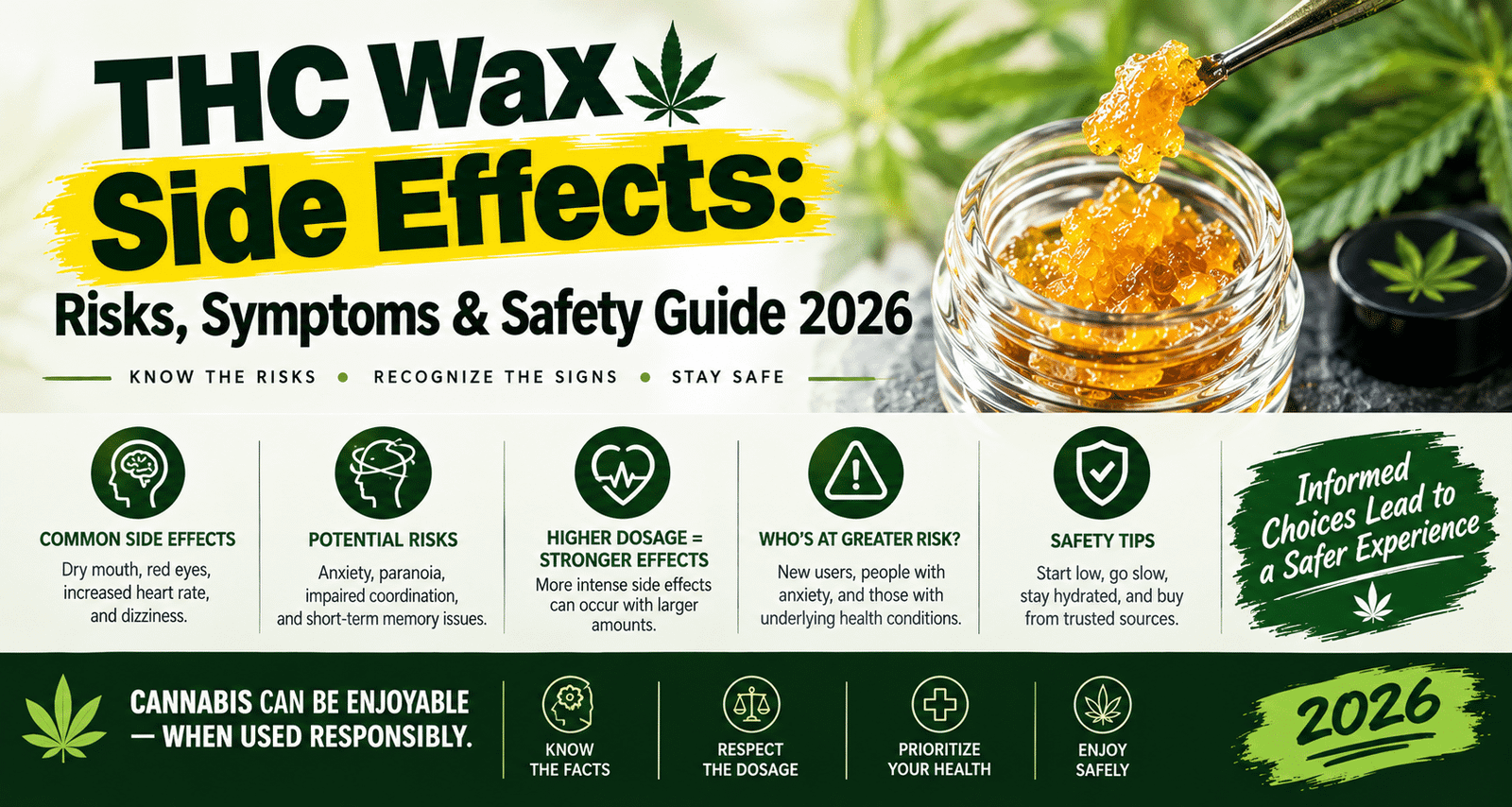
THC wax is a highly concentrated cannabis product that can produce intense psychoactive effects. Also known as cannabis wax, dab wax, or simply wax, it contains tetrahydrocannabinol (THC), the primary intoxicating compound in marijuana. Unlike traditional cannabis flower, THC wax concentrates cannabinoids into a smaller amount of material, which can deliver a large dose of THC in a short period.
Although some people use THC wax for its rapid effects, its high potency can increase the likelihood of unwanted reactions. Common THC wax side effects include anxiety, paranoia, dizziness, a racing heartbeat, impaired coordination, short-term memory problems, and nausea. Some people may also experience panic attacks or more serious psychological symptoms after consuming too much.
Understanding THC wax side effects is important for anyone researching cannabis concentrates, whether they are comparing wax with flower, learning about potential health risks, or trying to recognize the signs of overconsumption.
The most important point is that THC wax can cause stronger and less predictable effects than lower-potency cannabis products, and its long-term health risks are not yet fully understood. The National Institute on Drug Abuse (NIDA) and the Centers for Disease Control and Prevention (CDC) both identify concerns associated with high-potency cannabis concentrates, including increased intoxication and a greater risk of cannabis use disorder. CDC · NIDA
1. What Is THC Wax and Why Can It Cause Side Effects?
THC wax is a cannabis concentrate produced by extracting compounds from cannabis plant material. Depending on the extraction and processing method, wax can have a soft, sticky, creamy, or crumbly texture.
Other cannabis concentrates include shatter, budder, live resin, and certain cannabis oils. Although their textures and production methods differ, these products can contain highly concentrated amounts of THC.
Why Is THC Wax So Potent?
Traditional cannabis flower contains plant material alongside its cannabinoids and other compounds. Concentrates remove much of that plant material, creating a product with a higher concentration of THC by weight.
Some cannabis concentrates contain THC levels well above those commonly found in flower. NIDA has reported that cannabis concentrates can contain particularly high THC concentrations, with some products exceeding 80%. Actual potency varies by product and batch. NIDA: Marijuana Concentrates
This concentration matters because a large amount of THC can reach the body quickly when a concentrate is inhaled.
How Does THC Affect the Brain?
THC interacts with the body’s endocannabinoid system, which helps regulate processes such as memory, mood, attention, and perception.
When THC activates cannabinoid receptors in the brain, it can alter how a person thinks, feels, and responds to their surroundings.
Depending on the amount consumed and individual sensitivity, these changes may cause:
- Altered perception of time and surroundings.
- Difficulty concentrating or remembering information.
- Changes in mood and emotional responses.
- Reduced coordination and slower reaction times.
- Anxiety, fear, or suspicious thoughts.
- A strong feeling of intoxication.
Why Can Wax Affect People Differently?
There is no single response to THC wax. Its effects can vary according to potency, amount consumed, previous cannabis experience, individual sensitivity, medications, and whether alcohol or other substances are used at the same time.
A person who tolerates cannabis flower may still experience an unexpectedly intense reaction to a concentrate.
2. Common Short-Term THC Wax Side Effects
Short-term THC wax side effects can begin soon after inhalation. Because dabbing and concentrate vaping may deliver substantial amounts of THC quickly, the effects can feel intense before a person has fully assessed how intoxicated they are.
Anxiety, Panic, and Paranoia
Anxiety is one of the more concerning psychological effects of high-potency THC.
Some people may feel unusually nervous, overwhelmed, or frightened. Others may become suspicious of people around them or interpret ordinary situations as threatening.
In more intense cases, THC can trigger a panic-like reaction involving rapid breathing, a racing heartbeat, trembling, and a feeling of losing control.
People who have a personal or family history of certain mental health conditions may face additional risks from cannabis use.
Dizziness and Impaired Coordination
THC can interfere with balance, coordination, attention, and reaction time.
After using THC wax, a person may feel lightheaded, unsteady, or less able to judge distances and movements accurately. These effects can increase the risk of falls, burns, and other accidental injuries.
Driving or operating machinery while intoxicated is unsafe.
Increased Heart Rate
THC can temporarily increase heart rate and may affect blood pressure. A person might notice a pounding heartbeat, palpitations, or lightheadedness.
Although these effects may pass as intoxication decreases, chest pain, fainting, severe breathing difficulty, or a persistent or irregular heartbeat should not be dismissed as an ordinary cannabis reaction.
Seek urgent medical care if these symptoms occur.
Dry Mouth, Red Eyes, and Nausea
Other possible short-term effects include:
- Dry mouth.
- Red or irritated eyes.
- Increased appetite.
- Headache.
- Nausea or vomiting.
- Drowsiness or fatigue.
- Difficulty focusing.
Not everyone experiences these symptoms, and their severity can differ considerably.
Confusion and Short-Term Memory Problems
THC can affect attention, learning, and short-term memory. A person who has consumed a potent concentrate may struggle to follow a conversation, remember recent events, or complete familiar tasks.
These effects can become more pronounced with higher THC exposure.
The CDC explains that cannabis can impair memory, attention, decision-making, and other functions needed for everyday activities. CDC Cannabis FAQs
3. Long-Term Health Risks of Using THC Wax
The long-term effects of frequent THC wax use are still being studied. However, research on cannabis and high-potency concentrates raises concerns about dependence, mental health, cognitive function, and respiratory exposure.
Cannabis Use Disorder and Dependence
Repeated cannabis use can lead to cannabis use disorder, a condition in which a person struggles to control their use despite negative consequences.
Possible warning signs include:
- Frequently using more cannabis than intended.
- Feeling strong cravings for THC.
- Trying unsuccessfully to reduce or stop use.
- Needing more THC to achieve similar effects.
- Continuing to use cannabis despite problems at work, school, or home.
- Spending substantial time obtaining or using cannabis.
High-potency concentrates are a particular concern because repeated exposure to large amounts of THC may increase the risk of problematic use. However, not everyone who uses THC wax develops dependence. CDC: Cannabis Use Disorder
Mental Health Effects
Cannabis use has been associated with mental health concerns, including anxiety and depression, although the nature of these relationships is complex and not fully understood.
High doses of THC can also cause severe paranoia, hallucinations, or other psychosis-like symptoms in some individuals. Frequent use, high-potency products, and individual vulnerability may influence risk.
People with a personal or family history of psychosis or certain other mental health conditions should discuss cannabis risks with a qualified healthcare professional.
Memory, Attention, and Learning
THC can interfere with cognitive functions such as memory, concentration, and learning.
Frequent cannabis use may be particularly concerning during adolescence and young adulthood, when the brain is still developing. Researchers continue to investigate how exposure patterns, age of first use, and THC potency influence long-term outcomes.
Respiratory Risks From Dabbing and Vaping
THC wax is commonly inhaled using a dab rig or concentrate vaporizer. These methods expose the respiratory system to heated substances.
Inhaling cannabis smoke can harm lung tissues, while vaping products may expose users to irritating compounds or contaminants. The risks depend partly on the product, device, temperature, and substances present.
Unregulated or contaminated THC vaping products can pose additional dangers. The CDC linked vitamin E acetate in certain THC vaping products to the 2019 outbreak of vaping-associated lung injury. That finding does not mean all regulated THC concentrates contain vitamin E acetate, but it highlights the importance of product contamination risks. CDC Cannabis Health Effects
Withdrawal Symptoms After Frequent Use
People who use cannabis frequently may experience withdrawal symptoms when they reduce or stop using it.
Possible symptoms include irritability, sleep difficulties, reduced appetite, anxiety, restlessness, and cravings. Symptoms and their duration vary between individuals.
Anyone who repeatedly experiences withdrawal or struggles to control cannabis use may benefit from discussing their options with a healthcare professional.
4. What Happens If You Use Too Much THC Wax?
Using too much THC wax can produce an intense and distressing reaction. Because concentrates can deliver substantial amounts of THC rapidly, some people may become more intoxicated than expected.
Signs of THC Overconsumption
Possible signs include:
- Severe anxiety or panic.
- Extreme confusion.
- Intense paranoia.
- A racing heartbeat.
- Dizziness or difficulty standing.
- Nausea or repeated vomiting.
- Disorientation.
- Hallucinations or delusional thoughts.
The severity of symptoms depends on the amount consumed, product potency, individual sensitivity, and other substances involved.
What Should You Do if Someone Has a Bad Reaction?
If someone experiences an uncomfortable reaction after using THC wax, help them move to a quiet, safe environment and remain with them if possible.
Avoid giving them additional cannabis, alcohol, or other intoxicating substances. Do not let them drive or perform tasks that require coordination and judgment.
If symptoms are severe, worsening, or unusual, seek medical advice. In the United States, Poison Control can be reached at 1-800-222-1222 for guidance about possible poisoning.
When Is THC Wax Overconsumption an Emergency?
Call 911 immediately if the person:
- Has difficulty breathing.
- Collapses or cannot be awakened.
- Experiences a seizure.
- Has severe chest pain.
- Shows extreme agitation or dangerous confusion.
- Appears to be experiencing a life-threatening reaction.
Do not assume that severe symptoms will resolve on their own. Tell emergency personnel what the person may have taken, including any alcohol, medications, or other substances.
Can THC Wax Cause a Fatal Overdose?
A fatal overdose caused solely by cannabis is considered unlikely, but that does not mean THC wax is harmless. Severe intoxication can lead to dangerous situations, injuries, or complications, and products may contain unexpected substances.
The risk can be greater when THC is combined with alcohol or other drugs. Medical evaluation is appropriate when symptoms are severe or the substance involved is uncertain. CDC Cannabis FAQs
5. How to Reduce the Risks of THC Wax Side Effects
The most reliable way to avoid THC wax side effects is not to use the product. For people who choose to use cannabis despite its risks, several precautions can help reduce the likelihood of harm.
Understand the Product’s Potency
Concentrates can contain much higher levels of THC than cannabis flower. Product labels may help identify potency, but labeling is not a guarantee that the stated concentration is accurate.
Avoid assuming that a small amount of wax will produce a mild effect simply because it looks small.
Avoid Mixing THC With Alcohol or Other Drugs
Combining cannabis with alcohol or other intoxicating substances can increase impairment and make effects less predictable.
Some medications may also interact with cannabis. Consult a healthcare professional or pharmacist if you are concerned about possible interactions.
Do Not Drive While Impaired
THC can reduce coordination, slow reaction time, and interfere with judgment. Do not drive, cycle in traffic, or operate machinery while impaired.
There is no universal time limit that guarantees everyone is safe to drive after using a concentrate.
Be Cautious About Unregulated Products
Products from unverified sources may have inaccurate potency information, contaminants, or undisclosed ingredients.
Where cannabis products are legally available, use only products from appropriately licensed and regulated sources. Keep all THC products securely stored away from children and pets.
Know Who May Face Greater Risks
THC wax may be particularly concerning for:
- Adolescents and young adults.
- People who are inexperienced with cannabis.
- People with a history of panic attacks or psychosis.
- People with certain heart or respiratory conditions.
- Pregnant or breastfeeding individuals.
- People taking medications that may interact with cannabis.
- Anyone who has experienced cannabis dependence.
People in these groups should seek advice from a qualified healthcare professional about their individual risks.
Frequently Asked Questions About THC Wax Side Effects
How long do THC wax side effects last?
The duration varies with the amount consumed, potency, individual metabolism, and method of use. Inhaled THC can produce effects within minutes, but impairment and residual effects may continue for hours. There is no precise timeline that applies to everyone.
Is THC wax stronger than regular weed?
THC wax is generally more concentrated than cannabis flower, so it can deliver much larger amounts of THC in a small quantity. The actual difference depends on the potency of each product and how it is consumed.
Can THC wax cause anxiety?
Yes. THC can trigger anxiety, panic, or paranoia, particularly at high doses. People differ in their sensitivity, and previous cannabis experience does not guarantee protection against these reactions.
Can THC wax damage your lungs?
Inhaling cannabis smoke can damage lung tissues, and vaping concentrates may expose the lungs to irritating substances or contaminants. The long-term respiratory effects of different concentrate products and devices are still being investigated.
Can you become addicted to THC wax?
Frequent use can contribute to cannabis use disorder. Warning signs include cravings, difficulty cutting down, increasing tolerance, and continued use despite negative consequences.
Does THC wax affect memory?
Yes. THC can temporarily impair short-term memory, attention, and learning. The effects depend on exposure and individual factors, and the long-term effects of frequent high-potency concentrate use remain an active area of research.
Is THC wax safe for beginners?
THC wax is a high-potency product and can cause intense effects, especially for people without previous cannabis experience. Avoiding concentrates is the safest option for someone concerned about these risks.
Can THC wax cause paranoia or hallucinations?
Yes. High doses of THC can cause severe paranoia and, in some cases, hallucinations or psychosis-like symptoms. Severe confusion or frightening psychological symptoms warrant prompt medical assessment.
What is the difference between THC wax side effects and cannabis withdrawal?
Side effects occur during or after intoxication, while withdrawal symptoms can develop when someone who uses cannabis frequently reduces or stops use. Anxiety and sleep disturbances can occur in both situations, so context and timing matter.
Should you seek medical help after using THC wax?
Seek urgent medical care for chest pain, difficulty breathing, seizures, collapse, inability to awaken, or severe confusion. For other concerning symptoms, contact a healthcare professional or Poison Control for guidance.
Final Thoughts on THC Wax Side Effects
THC wax is a highly concentrated cannabis product that can produce intense short-term effects and may carry risks associated with frequent high-potency THC exposure. Common side effects include anxiety, paranoia, dizziness, increased heart rate, impaired coordination, nausea, and memory problems. More severe reactions can involve hallucinations, extreme confusion, or dangerous impairment.
Frequent use may also increase the risk of cannabis use disorder, while inhaling concentrates can expose the respiratory system to potentially harmful substances. Researchers are still investigating the long-term effects of repeated high-potency concentrate use, so claims that THC wax is completely safe are not supported by current evidence.
The key takeaway is simple: THC wax is not risk-free, and its high potency makes unwanted effects easier to experience than many people expect. Understanding the warning signs, avoiding impaired driving, keeping products away from children, and seeking medical assistance when symptoms are severe are important parts of cannabis safety.
This article is for educational purposes only and is not a substitute for professional medical advice.